THE EVOLUTION OF LUXURY ADVERTISING: PART 1
As digital creators and social platforms capture a larger slice of marketing budgets once reserved for traditional outlets, the landscape of luxury media strategy is undergoing a significant transformation.
“Global ad spending is projected to climb 4.2% in 2015.”
Advertising today is no longer limited to a simple choice between magazines and television. Instead, it has evolved into a sophisticated mix of high-end content, editorial storytelling, and multi-platform delivery – spanning brand-owned digital channels, social media, and influential voices.
This shift has been rapid, yet the demand for advertising continues to grow. Total global expenditure is expected to reach $531 billion, with further growth projected in the coming years.
Interestingly, traditional platforms are not disappearing. Luxury brands are rebalancing their investments, maintaining a presence in classic media while expanding into digital channels-effectively adding more tools to their marketing arsenal.
THE DIGITAL SHIFT
In markets like the UK, television once dominated due to its reach. However, digital advertising-across mobile, tablet, and social platforms-has now overtaken TV.
- Digital: 39%
- TV: 26%
- Print: 16%
- Outdoor: 5%
“The typical user is now online for nearly 4 hours every day.”
Brands are following audience behavior. Beyond visibility, digital offers precision targeting and measurable ROI, giving it a clear advantage over traditional media.
QUALITY VS. QUANTITY
Digital channels continue to grow rapidly, but luxury brands face a key challenge: preserving their premium image.
A decade ago, advertising revolved around TV, Print, and Radio. Today, digital can account for up to 35% of media spend.
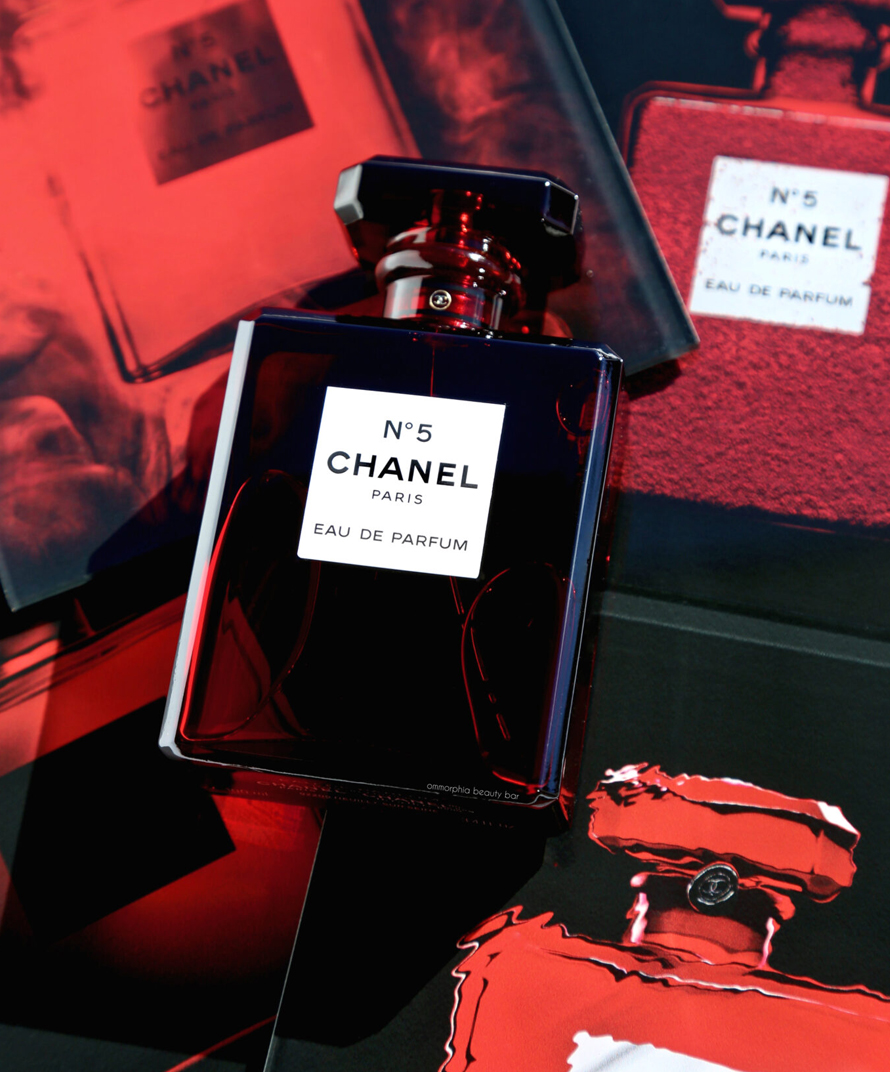
Initially, luxury brands resisted digital formats, as standard web ads lacked elegance and failed to reflect their identity.
“Luxury brands struggled to mirror the elegance of print campaigns in a digital format.”
Now, the focus has shifted to:
- High-definition video
- Native advertising formats
- User-friendly, non-intrusive placements
These approaches allow brands to maintain sophistication while engaging modern audiences.
THE SURVIVAL OF THE PRESTIGE PRESS
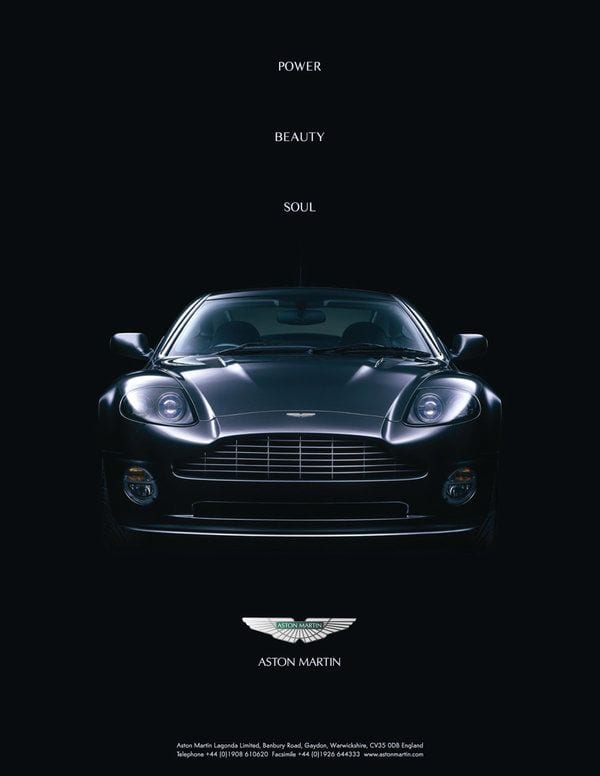
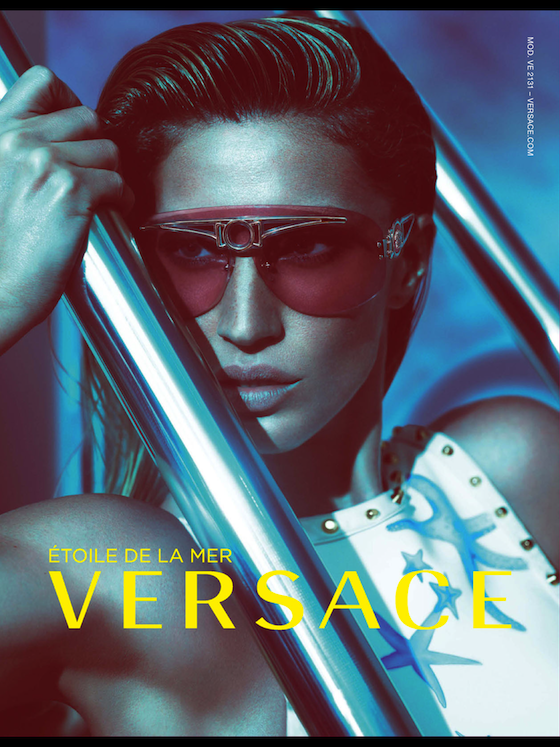
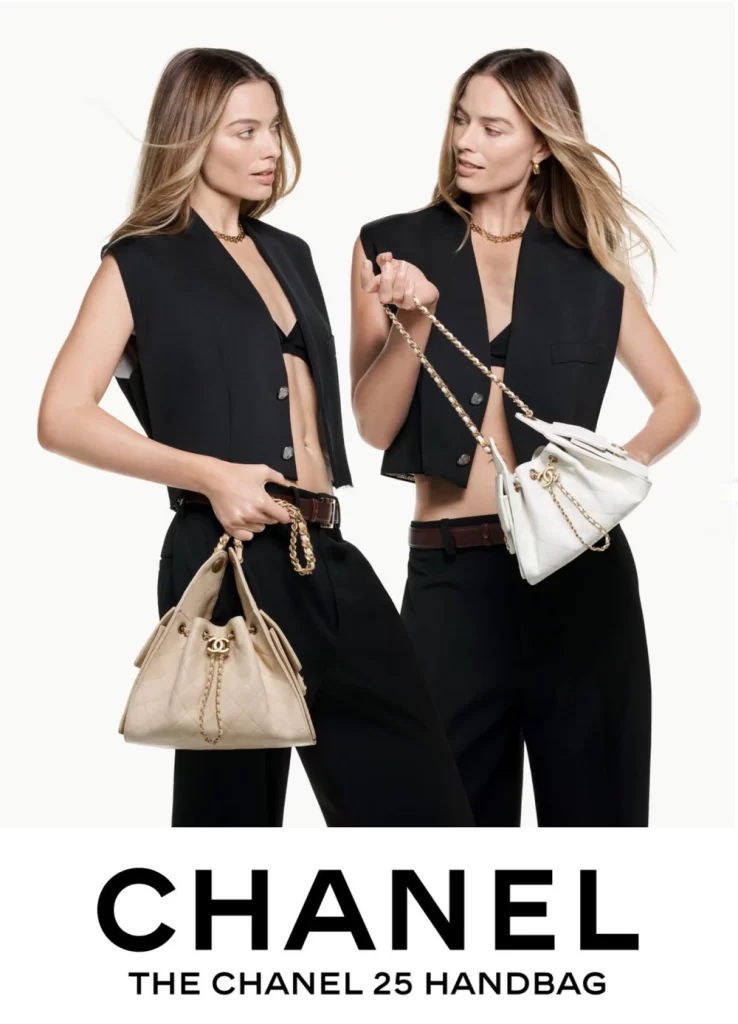
Despite predictions, print remains influential in the luxury sector.
While general newspaper advertising has declined, high-end fashion publications continue to thrive. Luxury brands are becoming more selective, choosing a few “gold standard” titles that directly reach affluent audiences.
The modern strategy emphasizes:
- Fewer placements
- Higher impact
- Deeper brand integration
KEY TAKEAWAYS FOR THE MODERN MEDIA PLAN
- DIGITAL DOMINANCE: Digital platforms now lead in ad spend due to audience behavior and targeting capabilities.
- BALANCED STRATEGY: Traditional media still plays a role; success lies in combining old and new channels.
- PRECISION TARGETING: Data-driven insights allow brands to reach the right audience more effectively.
- PREMIUM CONTENT: High-quality, visually rich formats are essential to maintain luxury positioning.
- SELECTIVE PRINT USE: Print remains valuable when used strategically in prestigious publications.
- QUALITY OVER QUANTITY: Fewer, more impactful placements deliver stronger brand value.