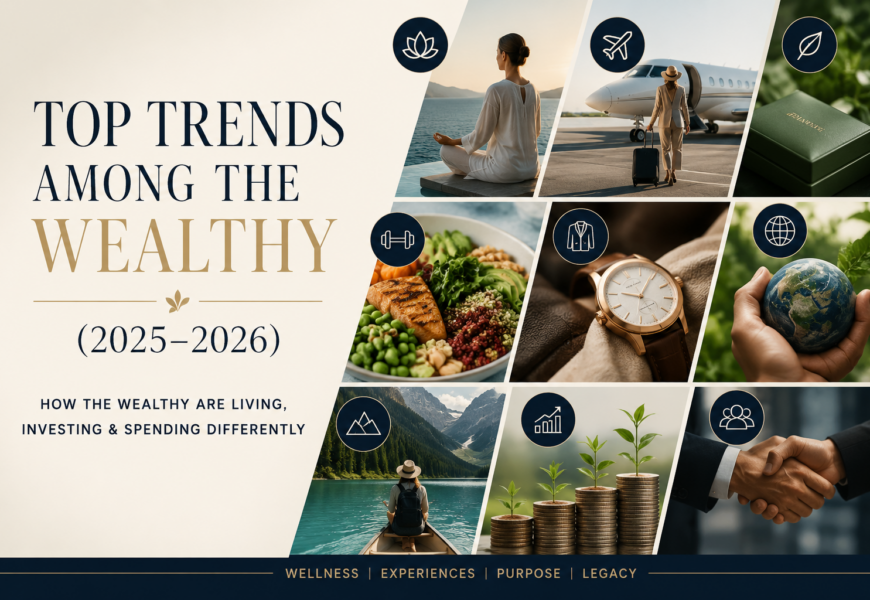
The latest trends among the wealthy are moving away from flashy displays of wealth and toward a more understated, experience-driven lifestyle. Luxury today is increasingly defined by privacy, wellness, personalization, and purpose rather than logos, excess, or status symbols.
Top Trends Among the Wealthy (2025–2026)
- Behavioral Status Symbols
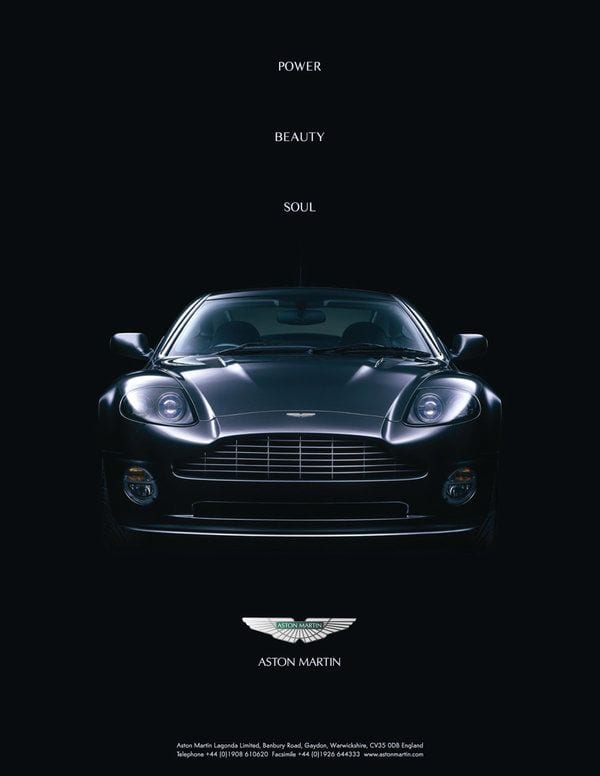
For affluent consumers, the new markers of status are subtle: privacy, digital disconnection, exclusivity, and a deliberately low-profile aesthetic. “Quiet luxury” continues to dominate, with understated tailoring, timeless craftsmanship, and discreet elegance replacing overt branding.
2. Health and Longevity Investing
Wellness has become one of the biggest luxury sectors. Wealthy individuals are investing heavily in personalized health strategies — from advanced diagnostics and preventative medicine to custom nutrition programs, elite trainers, recovery therapies, and longevity clinics. The focus is no longer just fitness, but extending quality of life.
3. Protein-Rich Diets and GLP-1 Influence
The popularity of GLP-1 weight-loss medications has significantly influenced luxury wellness culture. High-net-worth consumers are increasingly prioritizing protein-rich diets and specialized nutrition plans to preserve muscle mass and optimize performance. Demand for premium supplements, high-end whey proteins, and personalized meal services has surged.
4. Experiential and Purpose-Driven Travel
Luxury travel is becoming more curated and immersive. Rather than visiting traditional hotspots, affluent travelers are seeking remote, untouched destinations, highly personalized itineraries, and meaningful cultural experiences. Wellness retreats, eco-lodges, and private adventures are replacing conventional luxury vacations.
5. Sustainability and Ethical Consumption
Environmental and ethical concerns continue to shape spending habits. Wealthy consumers are showing stronger interest in sustainably produced fashion, transparent sourcing, artisanal craftsmanship, and brands with clear social responsibility values.
6. Bold Expression vs. Quiet Luxury
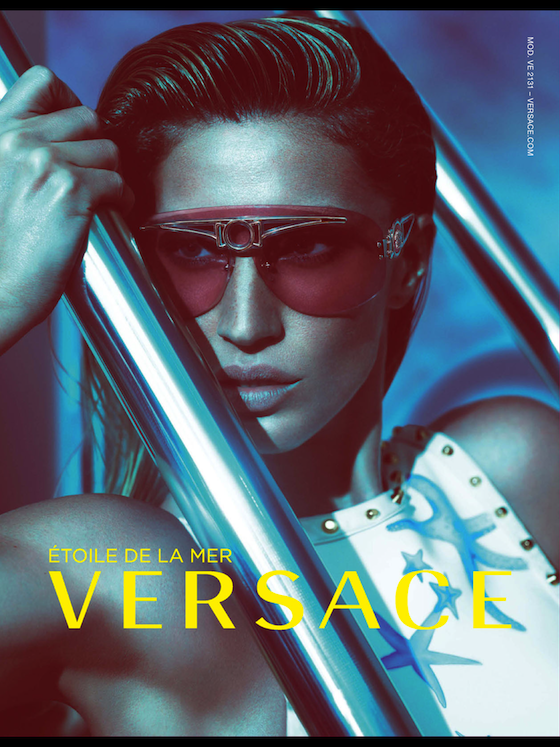
While stealth wealth remains influential, there is also a growing shift toward individuality and expressive style among ultra-high-net-worth consumers. After years of minimalist fashion, some are embracing bolder silhouettes, statement pieces, and more artistic self-expression.
7. Impact Investing and Purposeful Philanthropy
Younger wealthy generations — particularly millennials and Gen X inheritors — are increasingly focused on impact investing, ESG initiatives, and philanthropy tied to measurable social or environmental outcomes. Wealth is becoming more connected to influence, legacy, and purpose.
Shifting Consumption Behaviors
- Less Ownership, More Experience
Luxury spending is shifting from accumulating possessions to collecting experiences. Bespoke wellness retreats, members-only travel, private dining experiences, and transformational lifestyle services are becoming more desirable than traditional luxury goods.
2. More Selective Purchasing
Even affluent consumers are becoming increasingly intentional with spending. Rather than chasing trends, many are investing in fewer, higher-quality pieces designed for longevity and versatility.
3. The Great Wealth Transfer
As younger generations inherit wealth, priorities are evolving rapidly. Millennials and Gen X investors are placing greater emphasis on technology, AI-driven opportunities, sustainability, and socially conscious investments, reshaping the future of luxury and wealth culture.